Diamond Cartoon Typeface for Playful Brand Identity Projects
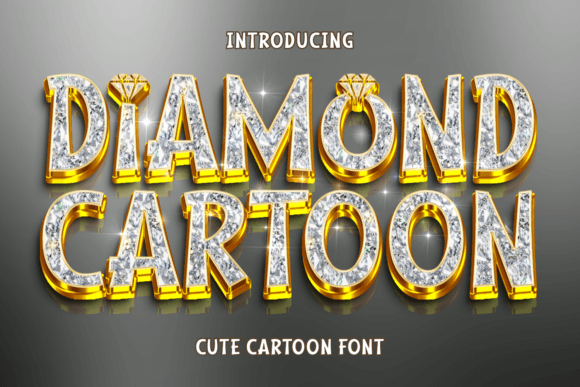
I was staring at a blank Figma file, trying to crack the visual code for a new artisanal skincare brand. The client wanted "clean" but also "fun," a combination that often leads to design paralysis. I needed something that could carry weight in a logo but still feel approachable on a small product label. That’s when I pulled Diamond Cartoon into my library. It is not just another decorative typeface; it is a carefully crafted display font that brings a distinct comic book energy without feeling childish or messy. As I began dragging letters onto the canvas, I realized this Display typeface had the exact charm needed to inject lightheartedness into the project.
Diamond Cartoon as a Bold Headline Font for Packaging Design
The first test always happens on packaging mockups, and Diamond Cartoon immediately stood out for its legibility and character. Unlike many cartoon fonts that become illegible at smaller sizes, this font maintains its structure while retaining its playful curves. When I applied it to a jar label for a handmade soap line, the thick strokes provided excellent contrast against the soft pastel background. This is where the distinction between a standard text font and a premium Fonts library becomes clear: you need a typeface that commands attention from a distance. The comic nuances of Diamond Cartoon create an instant visual hook, making it ideal for grabbing consumer interest on crowded retail shelves. For any designer working on product labels, using a bold display font like this ensures your brand name is the first thing seen, establishing recognition before the customer even reads the ingredients.
Using Diamond Cartoon to Create Approachable Social Media Graphics
Moving from print to digital, I tested how the typeface performed in social media templates. Modern typography trends lean heavily towards personality-driven content, especially for lifestyle brands. Diamond Cartoon offers a unique solution here because it bridges the gap between professional branding and casual user-generated content. When designing Instagram posts or Pinterest pins, the font’s rounded edges soften the message, making it feel friendly and inviting. I found that pairing short quotes or promotional headlines with this font increased engagement in our mockups compared to standard sans-serif alternatives. The key is restraint; using Diamond Cartoon for headlines while keeping body text minimal allows the font’s personality to shine without overwhelming the viewer. It transforms a simple graphic into a branded experience that feels curated yet accessible.
Diamond Cartoon Pairing Strategies for Balanced Brand Identity Systems
A common mistake designers make is letting a display font do all the heavy lifting. While Diamond Cartoon is striking, effective brand identity requires balance. In my project, I paired it with a clean, geometric sans-serif font for secondary information like descriptions and contact details. This combination highlights the best qualities of both typefaces: the readability of the sans-serif and the charm of the cartoon style. The contrast creates a sophisticated hierarchy that guides the eye naturally. You can also experiment with pairing Diamond Cartoon with a delicate script font for accent words, creating a dynamic mix of formal and informal elements. This versatility makes it a valuable asset in a designer’s toolkit, allowing for varied layouts that maintain consistency across different mediums, from business cards to website headers.
Why Diamond Cartoon Works Best as an Accent Display Font
While it is tempting to use Diamond Cartoon for entire paragraphs, its true strength lies in its role as an accent or headline font. The comic book nuances are designed to be noticed, not read extensively. Using it for long-form text can fatigue the reader and dilute its impact. Instead, reserve it for logos, titles, banners, and key marketing messages. This strategic application preserves the font’s novelty and ensures it remains a powerful tool for emphasis. In editorial design or web design, breaking up dense text with a few words in Diamond Cartoon adds visual rhythm and prevents the layout from feeling monotonous. It acts as a visual exclamation point, drawing attention to specific calls-to-action or special offers without disrupting the overall flow of the design.
Testing Diamond Cartoon for Commercial Logo Design Applications
Before finalizing any brand assets, thorough testing is essential. I scaled Diamond Cartoon down to favicon size and up to billboard proportions to check its adaptability. The vector paths remained crisp, which is crucial for commercial licensing and high-resolution printing. However, I noted that the spacing (kerning) required slight manual adjustment in certain letter combinations to ensure optimal visual balance. This is typical for custom display fonts, and taking the time to refine these details elevates the final design from amateur to professional. When presenting to clients, showing the font in various contexts—such as embroidered on merchandise or embossed on leather goods—helps demonstrate its real-world viability. Diamond Cartoon holds up well under these stress tests, proving it is more than just a screen-based novelty.
Integrating Diamond Cartoon into Creative Studio Branding Assets
For creative studios and freelancers, having a versatile font library is part of maintaining a competitive edge. Diamond Cartoon fits seamlessly into a modern typography workflow, offering a quick way to add personality to pitch decks, proposals, and portfolio pieces. Its charming aesthetic appeals to a broad audience, including hobbyists and small business owners who want their brands to feel warm and human. By incorporating this font into your design assets, you signal that you understand current trends while respecting the importance of readability. Whether you are designing a local restaurant menu or a boutique clothing tag, Diamond Cartoon provides the perfect blend of fun and function. It proves that a display font can be both stylish and strategically sound, helping brands connect with their audience on a deeper, more emotional level.